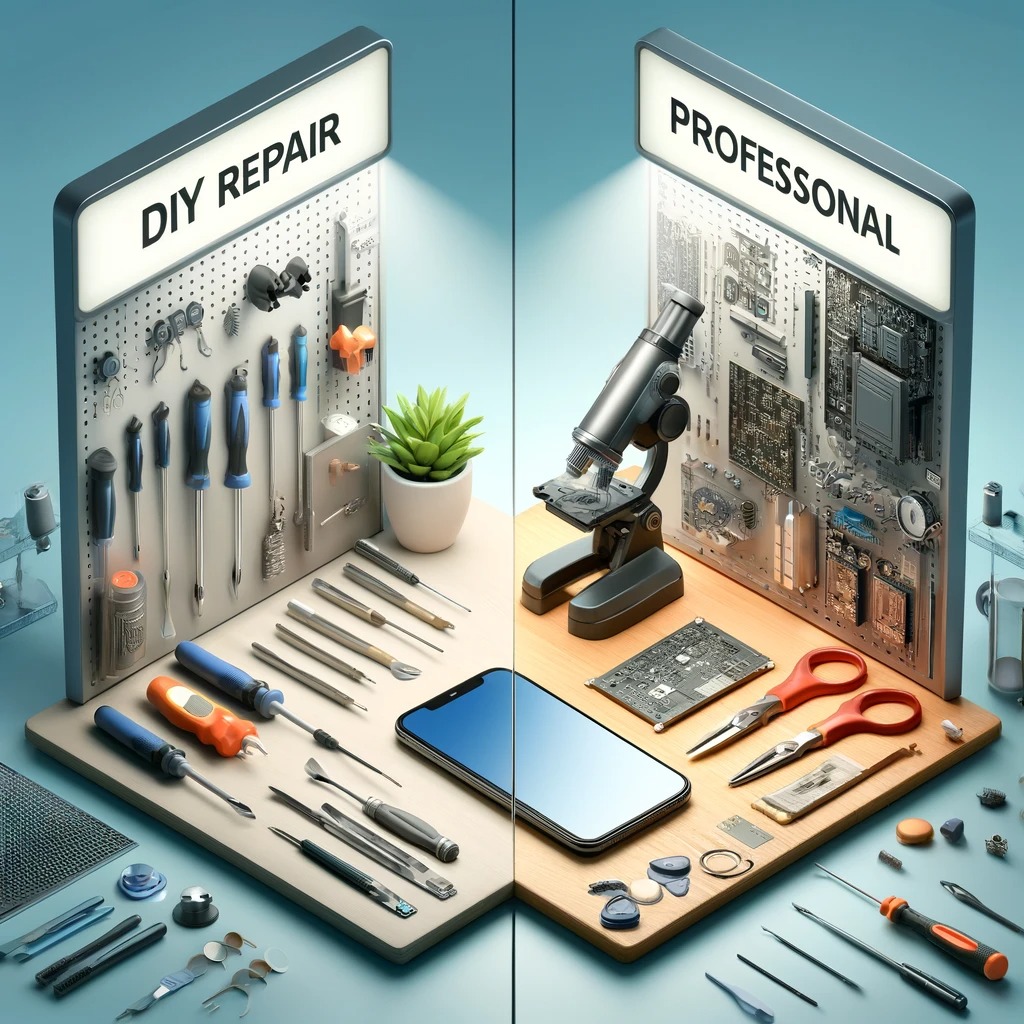
In today’s digital age, smartphones are essential, serving as our primary tools for communication, work, entertainment, and daily organization. When these devices encounter problems, the question often arises: should you attempt to repair the phone yourself (DIY), or should you search for professional repair services? This guide provides an in-depth comparison of DIY and professional cell phone repairs, examining the pros and cons of each and helping Canadian users decide which option is best suited for their needs.
We’ll also cover the most common types of repairs, cost considerations, and safety factors, along with frequently asked questions to clarify when it’s best to search “fix cell phone near me” for professional help.
Understanding DIY Cell Phone Repairs
DIY (Do-It-Yourself) cell phone repairs involve trying to fix the device without professional assistance. With an abundance of online tutorials and affordable repair kits, it’s no wonder more people are attempting their own repairs.
Advantages of DIY Repairs
- Cost Savings: DIY repairs can be more economical since you eliminate the labor fees associated with professional services. For those with experience or knowledge, DIY can be a cost-effective way to fix basic issues.
- Convenience and Flexibility: With DIY, you have the flexibility to conduct repairs on your schedule, whether it’s late at night or over the weekend. You also don’t need to wait for an appointment, which is convenient if you want a quick fix.
- Skill Development: DIY repairs can be an educational experience, allowing you to gain technical skills and an understanding of your phone’s components. Completing a successful repair can be rewarding and empowering.
Disadvantages of DIY Repairs
- Risk of Further Damage: Without the right expertise, you may inadvertently cause additional damage to the device. For instance, attempting to replace a cracked screen without proper tools can worsen the issue.
- Warranty Voiding: Unauthorized repairs typically void the manufacturer’s warranty. Even for simple fixes, taking apart your phone without professional support can impact any warranty agreements, which may result in higher costs if additional repairs are needed.
- Safety Concerns: DIY repairs can be unsafe if you’re handling delicate components or lithium-ion batteries, which are highly flammable. Without proper training, handling these parts can pose serious risks.
When to Consider DIY Repairs
DIY repairs are typically suitable for minor issues where there’s little risk of further damage. Here are some common issues that DIY can address:
- Screen Protectors: Applying or replacing a screen protector is straightforward and typically requires minimal skill or risk.
- Battery Replacement on Older Models: For older models with removable batteries, replacements are often manageable. However, for newer phones, which require more complex disassembly, professional help is recommended.
- Software Glitches: Minor software issues, such as app crashes, slow performance, or connectivity issues, can often be fixed with troubleshooting steps like restarting the device, updating software, or performing a factory reset. For more persistent software issues, consider professional support.
- Cleaning Ports and External Parts: Dust and dirt often clog charging ports and speakers. Using a soft brush or compressed air can help clear these areas without risk. Avoid using metal tools, as they can damage internal components or scratch the device.
For more guidance on minor repairs, consider visiting UniverCell’s blog section to explore common cell phone issues and solutions.
Understanding Professional Cell Phone Repairs
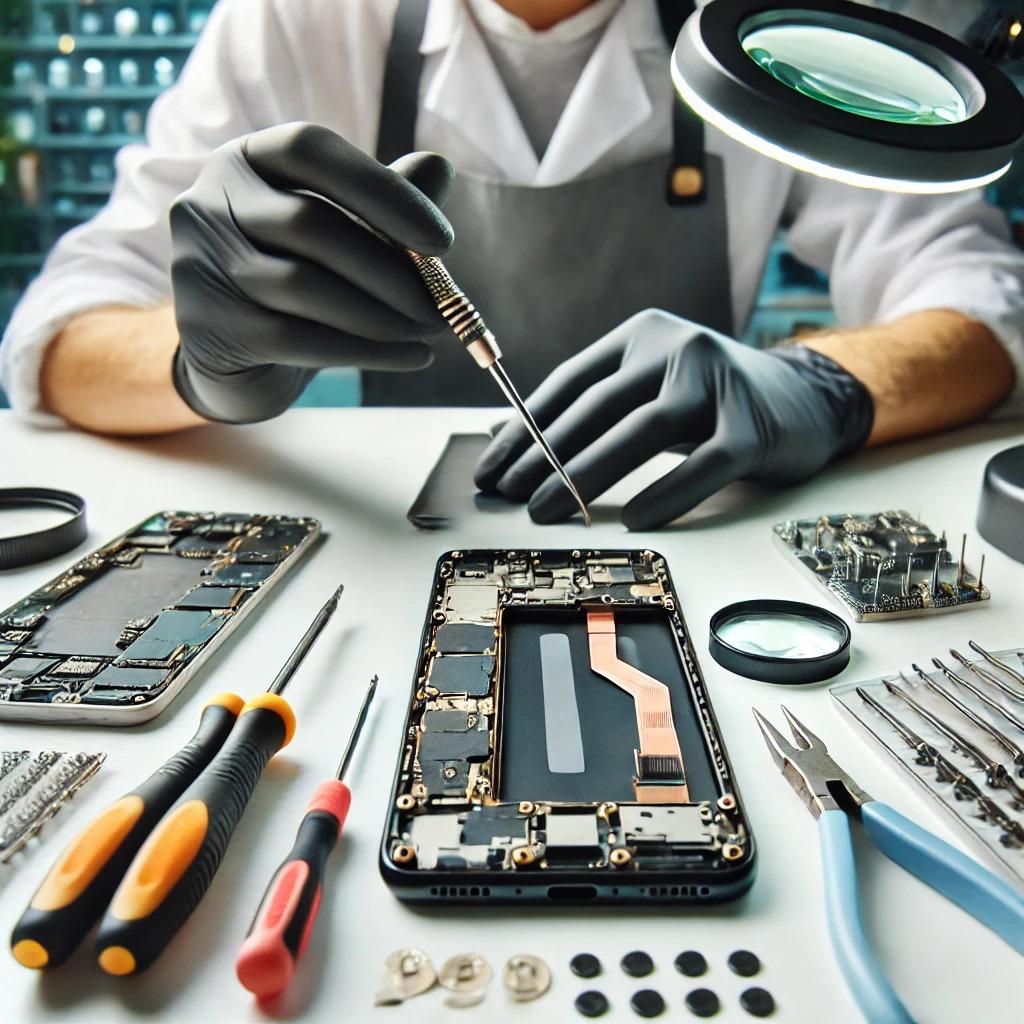
Professional cell phone repairs are performed by trained technicians who use specialized tools and high-quality parts. Professional repair services, like those offered by UniverCell Canada, can provide reliable solutions and restore your device with peace of mind.
Advantages of Professional Repairs
- Technical Expertise: Professional technicians have the experience and knowledge to diagnose a wide range of issues, from cracked screens to motherboard failures. They understand the complexities of different phone models and can troubleshoot more effectively.
- Warranty Preservation: Professional repair services, especially those authorized by the manufacturer, ensure that your device warranty remains valid. This can save you costs in the long term, as the manufacturer may cover future repairs.
- Quality Parts and Repairs: Professional repair centers use high-quality, often original, parts to ensure compatibility and longevity. Quality components help prevent recurring issues and maintain the device’s performance.
Disadvantages of Professional Repairs
- Cost: Professional services can be more expensive due to labor fees and the use of high-quality parts. However, for complex issues, professional repair is often more cost-effective in the long run, as it minimizes the risk of further damage.
- Time and Inconvenience: Depending on the issue and the service provider, repairs might require leaving the device at the repair center for a day or more, which can be inconvenient if you rely heavily on your phone.
When to Seek Professional Repairs
Professional repairs are the best choice for complex or high-risk issues that require specialized knowledge and equipment. Here are some common situations where seeking professional help is advisable:
- Cracked or Broken Screens: Replacing a screen requires precision, special tools, and a high-quality replacement screen. DIY screen repairs can be challenging, and any mistakes may result in a non-functioning display. Professional repair services, like UniverCell’s screen repair, ensure proper handling and quality parts.
- Water Damage: When water penetrates your phone, it can damage internal components. Professional technicians can assess the extent of the damage and use specialized techniques to restore functionality, minimizing the risk of further corrosion.
- Battery Issues on Newer Models: For phones with non-removable batteries, disassembly can be complicated. Professional technicians can safely replace batteries while preserving other internal components.
- Internal Component Failures: Issues with the motherboard, charging port, or other internal components often require advanced repair techniques. Professional repairs ensure these components are replaced accurately and with compatible parts, prolonging the phone’s lifespan.
- Software and System Malfunctions: If software troubleshooting does not resolve the issue, a technician can help with more advanced diagnostics or a complete reinstallation of the operating system.
Evaluating the Complexity of the Repair
Before deciding on DIY or professional repair, assess the complexity of the problem and the level of skill and tools required:
- Research and Understand the Process: Check online resources, watch tutorials, and read reviews to understand what the repair entails. For example, cracked screen repairs are more complex and riskier than replacing a screen protector.
- Necessary Tools: Many DIY repairs require specialized tools, such as precision screwdrivers, tweezers, and heat guns. If you lack the proper equipment, professional repair may be safer and more cost-effective.
- Time Commitment: DIY repairs often take longer than anticipated, especially for first-timers. For busy individuals, professional repair may be more convenient, as it saves time and minimizes the risk of errors.
Safety Considerations for DIY Repairs
Safety should always be a priority, especially when working with delicate phone components and lithium-ion batteries. Here are some important safety tips:
- Handling Lithium-Ion Batteries: Mishandling a lithium-ion battery can lead to leaks, swelling, or even explosions. Avoid puncturing or bending the battery.
- Static Electricity Precautions: Static discharge can damage sensitive electronic components. Use an anti-static wrist strap or frequently touch a grounded object to discharge static before handling internal parts.
- Sharp Edges and Small Parts: Be cautious when dealing with broken glass or sharp components. Work slowly and carefully to prevent injury.
Cost Analysis: DIY vs. Professional Repairs
While DIY repairs may seem more cost-effective, there are potential hidden costs:
- Tools and Materials: Many DIY repairs require specific tools and replacement parts, which can add to the cost. If you plan on only one repair, buying these tools might not be economical.
- Potential for Additional Damage: Mistakes during a DIY repair can lead to further damage, increasing the overall cost. For instance, if a DIY screen replacement results in a non-responsive display, you may still need professional repair services.
Warranty Implications
It’s essential to understand warranty terms and conditions before attempting any DIY repair.
- Manufacturer Warranties: Most manufacturer warranties prohibit unauthorized repairs. Attempting a DIY repair could void the warranty, leaving you to cover the cost of future repairs.
- Extended Warranties or Insurance: If you have extended warranties or insurance for your phone, check if they cover the repairs you need. In some cases, these programs only cover authorized repairs.
Environmental Considerations
Repairing a device rather than replacing it can be an eco-friendly choice.
- Reducing E-Waste: By repairing rather than discarding devices, you help reduce electronic waste, a growing environmental concern worldwide.
- Conserving Resources: The materials required to produce new devices, like rare metals and plastics, consume significant resources. Repairing a phone helps minimize the demand for these materials.
Finding Professional Repair Services in Canada
For Canadians who decide that professional repair is the best choice, finding a reputable service provider is essential.
- Authorized Service Centers: Opt for authorized centers when possible, as they use genuine parts and follow approved repair standards.
- Customer Reviews and Recommendations: Read customer reviews to get a sense of service quality. UniverCell Canada is a trusted choice for Canadians, offering certified repairs with a commitment to quality and customer satisfaction.
- Repair Warranties: Choose providers that offer warranties on repairs to ensure peace of mind if issues arise after the repair.
Conclusion
Deciding between DIY and professional repair for your cell phone depends on the complexity of the issue, your technical skills, and the potential risks involved. While DIY repairs can be a cost-effective option for minor issues, professional services offer expertise, safety, and quality assurance for more complex problems. Prioritize safety and consider warranty implications before deciding which repair route to take.
If you’re facing cell phone issues and uncertain about the best course of action, consider reaching out to a professional repair service like UniverCell Canada for expert advice and assistance. Their knowledgeable team can help you evaluate your options and ensure that your device is restored safely and effectively.
Frequently Asked Questions
Can I fix my phone screen myself?
While possible, repairing a phone screen requires precision and the right tools. Without experience, you risk further damaging the device.
Will DIY repairs void my warranty?
Yes, unauthorized repairs usually void manufacturer warranties, which could result in higher repair costs down the line.
Are professional repairs worth the cost?
For complex issues, professional repairs ensure quality and preserve warranties, making them a worthwhile investment.
How can I find a reputable repair service in Canada?
Look for authorized service centers, read customer reviews, and inquire about repair warranties. UniverCell Canada is a trusted option for Canadians.
What are common DIY repairs?
Simple tasks like applying screen protectors, replacing removable batteries, and addressing minor software issues are common DIY repairs.